
Harbour Island — known locally as Briland — enjoys one of the finest tropical climates in the Bahamas. The island sits at the northeastern tip of Eleuthera, about 200 miles southeast of Miami, at approximately 25.5°N. Its position on the Atlantic edge means consistent northeast trade winds moderate even the hottest summer days, keeping conditions more comfortable than the raw temperatures suggest. The two micro-climates within the island are worth knowing: the east-facing Pink Sand Beach gets the full Atlantic breeze and is slightly cooler; the protected harbour on the west side is calmer, warmer, and good for kayaking, paddleboarding, and watching the water taxis come and go from North Eleuthera. Whether you're comparing hotels and resorts, browsing vacation rentals, or just checking conditions before you arrive, the forecast below pulls live data from NOAA's Open-Meteo system.
What Is the Weather Forecast for Harbour Island, Bahamas?
The 3-day forecast below is sourced from Open-Meteo, which draws on NOAA's Global Forecast System (GFS) and European Centre for Medium-Range Weather Forecasts (ECMWF) model data. Coordinates are set to Dunmore Town (25.50°N, 76.64°W). All temperatures are in Fahrenheit; precipitation in inches.
Monday, November 9Partly cloudy — High: 84°F / Low: 73°F
Precipitation: 0.00″ (5% chance)
Tuesday, November 10
Overcast — High: 84°F / Low: 76°F
Precipitation: 0.00″ (1% chance)
Wednesday, November 11
Overcast — High: 79°F / Low: 74°F
Precipitation: 0.00″ (4% chance)
Harbour Island AccuWeather 25-Day Forecast →
Eleuthera Island Weather Report and Tide Tables →
When Is the Best Time to Visit Harbour Island, Bahamas?
The short answer: December through April is when most visitors choose to come, and for good reason. Rainfall is at its annual low, humidity is comfortable, and daytime highs in the 76–82°F range are perfect for beach days, snorkeling, and exploring Dunmore Town by golf cart. This is also peak season — book hotels and vacation rentals several months in advance, especially for the Christmas–New Year stretch and Presidents' Week in February.
November is an increasingly popular sweet spot that regulars swear by. The summer crowds are gone, hurricane season winds down (the risk drops dramatically after mid-October), rates fall from their December peaks, and the weather is warm and largely dry. Average highs of 83°F with the trade wind still blowing — many consider it the finest month of the year on Briland.
May and early June offer a genuine shoulder-season window. The weather is still largely dry, ocean temperatures are climbing toward their summer peak, and rates soften noticeably. The island feels more local-paced, restaurants are less crowded, and you'll have the Pink Sand Beach almost to yourself on weekdays.
Summer (June through October) is the rainy season, and peak hurricane season from August onward. That said, rain on Harbour Island typically arrives as short, sharp afternoon showers rather than all-day events — mornings are nearly always clear and blue. Summer highs push to 89–90°F, but the Atlantic breeze makes it liveable, and rates at resorts and rentals can be 30–50% lower than peak season. If you can travel flexibly and keep an eye on NOAA advisories, summer on Harbour Island is a very different — and completely valid — experience.
What Is the Average Temperature for Harbour Island, Bahamas?
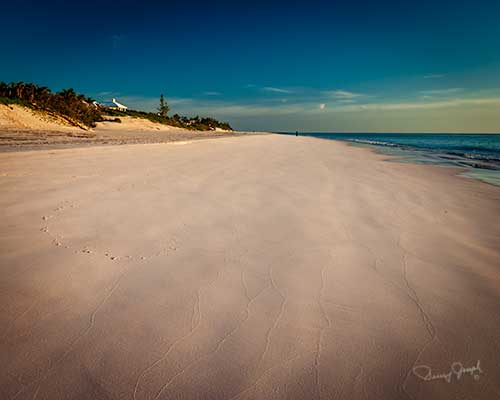
Harbour Island's subtropical climate means no cold season — the coolest winter evenings rarely drop below 65°F (18°C). The island sits in the trade-wind belt year-round, which keeps humidity from feeling oppressive even in August. Ocean water temperatures range from 74°F (23°C) in January to a warm 84°F (29°C) by September, making swimming comfortable in every month. The driest stretch is February through April (March is the standout, with only about 2.2 inches of rain); August through October brings the most rainfall and the peak of Atlantic hurricane season.
Monthly Climate Averages — Dunmore Town, Harbour Island, Bahamas
| Month | Jan | Feb | Mar | Apr | May | Jun | Jul | Aug | Sep | Oct | Nov | Dec |
|---|---|---|---|---|---|---|---|---|---|---|---|---|
| High Temp °F | 76 | 79 | 80 | 82 | 86 | 86 | 89 | 90 | 89 | 88 | 83 | 80 |
| Low Temp °F | 65 | 68 | 66 | 69 | 73 | 76 | 79 | 78 | 74 | 75 | 73 | 68 |
| Ocean Temp °F | 74 | 74 | 75 | 77 | 80 | 83 | 84 | 84 | 84 | 82 | 79 | 76 |
| Rainfall (in.) | 3.4 | 3.2 | 2.2 | 1.0 | 4.0 | 1.2 | 3.0 | 5.5 | 1.3 | 4.3 | 5.4 | 3.1 |
| Rain Days | 6 | 4 | 3 | 3 | 5 | 2 | 4 | 7 | 4 | 6 | 8 | 7 |
| Sunshine (hrs/day) | 7 | 8 | 9 | 9 | 9 | 9 | 9 | 9 | 8 | 7 | 7 | 7 |
Harbour Island Weather Month by Month
Planning a specific date? Here is what to expect each month.
January
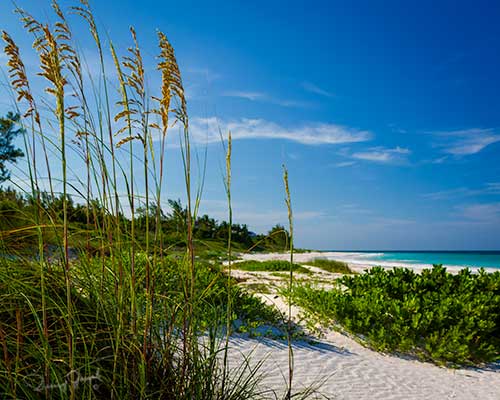
High: 76°F • Low: 65°F • Rain: 3.4″ • Rain days: 6 • Ocean: 74°F
Peak season. Cool evenings (pack a light jacket for dinner). Mornings are typically clear and sunny. Book far in advance — January fills early, especially around New Year.
February
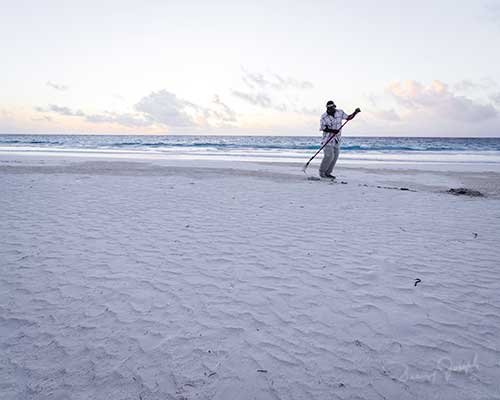
High: 79°F • Low: 68°F • Rain: 3.2″ • Rain days: 4 • Ocean: 74°F
One of the finest months. Presidents' Week is extremely busy; otherwise February sees warm, dry weather with lower-than-average rain days. Evenings are comfortable; the Atlantic breeze keeps things fresh.
March
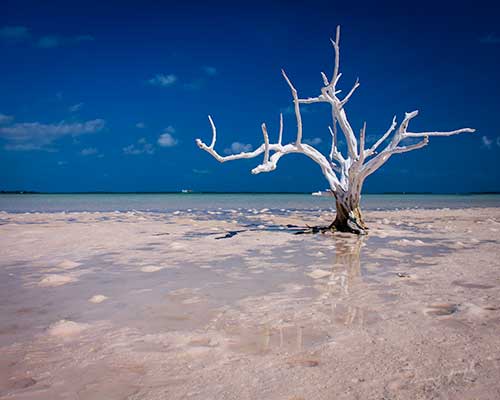
High: 80°F • Low: 66°F • Rain: 2.2″ • Rain days: 3 • Ocean: 75°F
The driest month. March averages only about 3 rain days — virtually wall-to-wall sunshine. Still peak season; still book early. An excellent choice for first-time visitors who want the safest weather bet.
April
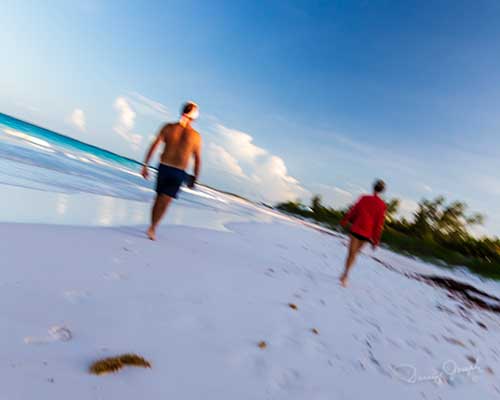
High: 82°F • Low: 69°F • Rain: 1.0″ • Rain days: 3 • Ocean: 77°F
Excellent. Warm, dry, and starting to feel tropical. The ocean is warming up nicely. Easter week is busy; shoulder weeks either side offer great value. End of peak season means better availability.
May
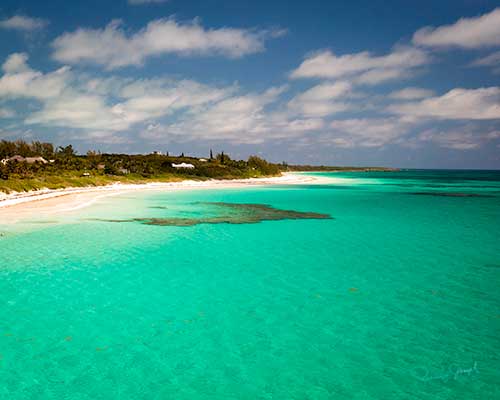
High: 86°F • Low: 73°F • Rain: 4.0″ • Rain days: 5 • Ocean: 80°F
Shoulder season. Warmer, slightly more humid, and rainfall ticks up — but showers are typically short and afternoon-heavy. Rates drop noticeably from April. Ocean reaches 80°F — excellent for snorkeling. Often uncrowded mid-week.
June
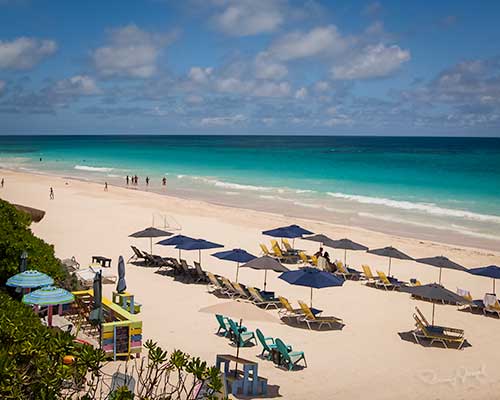
High: 86°F • Low: 76°F • Rain: 1.2″ • Rain days: 2 • Ocean: 83°F
Surprisingly, June averages only 2 rain days — one of the driest months despite being the technical start of hurricane season. Hot, but the trade winds are still blowing. Ocean at 83°F is a swimmer's delight. Rates are off-peak; worth considering.
July
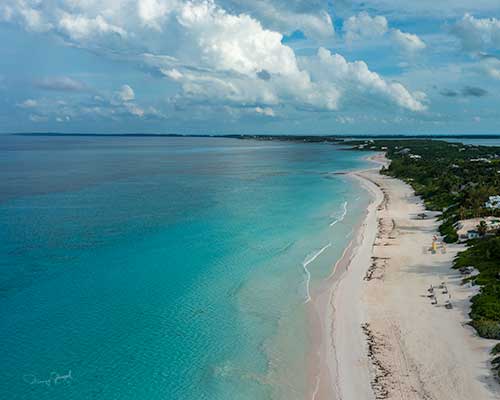
High: 89°F • Low: 79°F • Rain: 3.0″ • Rain days: 4 • Ocean: 84°F
Hot and humid, but afternoons on the beach — with the Atlantic breeze — are entirely manageable. Rain comes in short afternoon bursts. Ocean at 84°F is warm and flat. The island is quiet and local in feel. Low hurricane risk this early in the season.
August
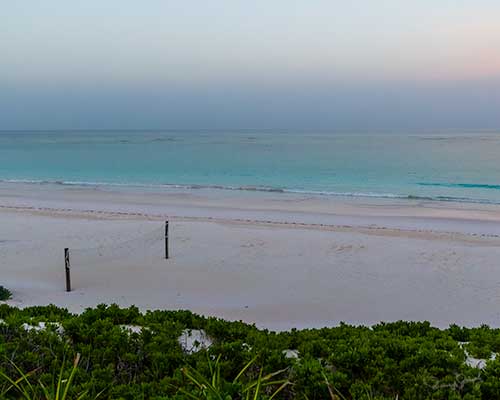
High: 90°F • Low: 78°F • Rain: 5.5″ • Rain days: 7 • Ocean: 84°F
Peak heat and the wettest month. August averages the highest rainfall (5.5″) and most rain days (7). Hurricane season is at its most active. Monitor NOAA and buy trip insurance if traveling now. Rates are at their lowest.
September
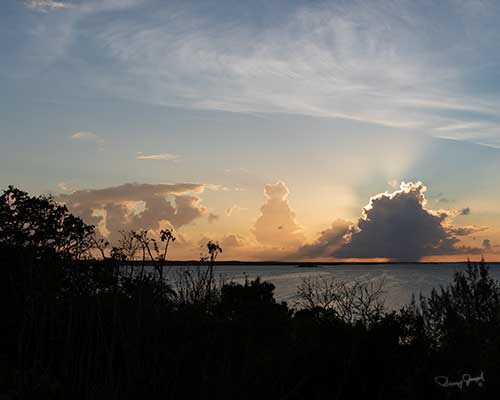
High: 89°F • Low: 74°F • Rain: 1.3″ • Rain days: 4 • Ocean: 84°F
Statistically the peak month for Atlantic hurricane formation. Despite this, September's rainfall averages are surprisingly modest (1.3″). Travel only with flexible bookings and trip insurance. The island is nearly empty; those who do go often have it largely to themselves.
October
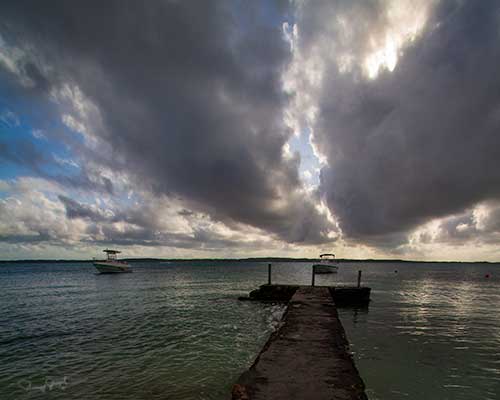
High: 88°F • Low: 75°F • Rain: 4.3″ • Rain days: 6 • Ocean: 82°F
Second wettest month after August. Hurricane risk remains elevated through mid-October. Late October to early November can be a hidden gem as the season winds down: warm, uncrowded, and affordable. Ocean still a warm 82°F.
November
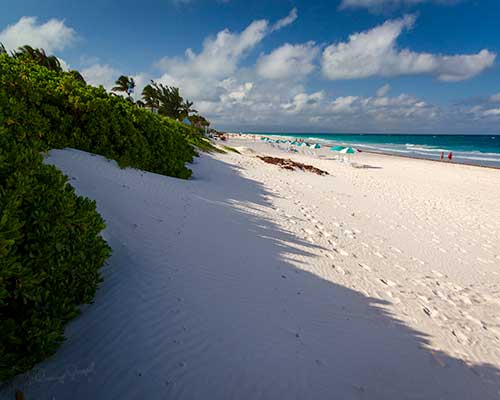
High: 83°F • Low: 73°F • Rain: 5.4″ • Rain days: 8 • Ocean: 79°F
The rainfall average looks high, but most of that is front-loaded from early-November systems. By mid-month the pattern is drying out fast. Warm, quiet, and genuinely underrated. Many experienced Briland visitors prefer Thanksgiving week above any other. Rates are pre-peak.
December
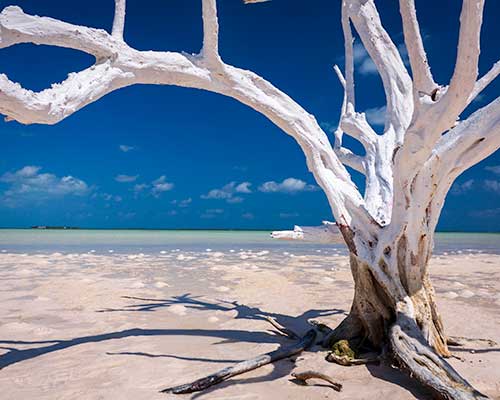
High: 80°F • Low: 68°F • Rain: 3.1″ • Rain days: 7 • Ocean: 76°F
The holiday season on Briland is magical. Peak-season rates return in mid-December; Christmas and New Year's are the most expensive and most-booked days of the year. Early December — before the 15th — is a lovely window with lower rates and the island just starting to fill.
Weather Radar and Satellite Imagery for Harbour Island and the Bahamas
The links below provide real-time radar and satellite imagery covering Harbour Island, Eleuthera, and the wider Bahamas and Caribbean region. GOES-East is the most detailed and authoritative source for monitoring developing tropical systems.
- Weather Underground Caribbean Satellite & Radar Map
- NOAA GOES-East Image Viewer — Live Satellite Coverage of the Atlantic & Caribbean
- NOAA Sea Surface Temperature — Bahamas & Atlantic
- Space Science & Engineering Center — Interactive Geostationary Satellite Animation
Current Hurricane Reports for the Bahamas
National Hurricane Center — Atlantic Basin Advisories
The advisories below come directly from the NOAA National Hurricane Center and cover all active or potential tropical systems in the Atlantic basin. Harbour Island and the broader Bahamas lie in the belt of maximum Atlantic hurricane activity. The official season runs June 1 through November 30. Peak statistical risk for Harbour Island and the Bahamas is mid-August through the end of October — September historically accounts for the largest share of major Atlantic hurricanes.
If you are traveling to Harbour Island during hurricane season, the practical advice is: monitor NOAA advisories starting about a week before departure; confirm your hotel or vacation rental cancellation and rebooking policy at the time of booking; and consider trip insurance. Direct hits on Harbour Island are historically infrequent, but passing storms can bring heavy rain, rough seas, and disrupted air and ferry service even when the center stays well offshore.
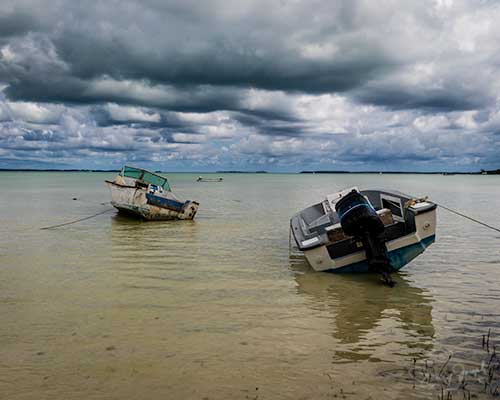
NHC Atlantic
Active tropical cyclones in the Atlantic, Caribbean, and the Gulf of AmericaThere are no tropical cyclones at this time.
No tropical cyclones as of Mon, 09 Nov 2026 15:30:17 GMT
Posted on 10 November 2026 | 5:18 pm
Atlantic Tropical Weather Outlook
000
ABNT20 KNHC 091118
TWOAT
Tropical Weather Outlook
NWS National Hurricane Center Miami FL
700 AM EST Mon Nov 9 2026
For the North Atlantic...Caribbean Sea and the Gulf of America:
Tropical cyclone formation is not expected during the next 7 days.
$$
Forecaster Cangialosi
Posted on 9 November 2026 | 5:18 am
Harbour Island Weather FAQ
What is the best time to visit Harbour Island, Bahamas?
December through April is the best time for most visitors. Rainfall is at its lowest, humidity is mild, and daytime highs in the 76–82°F range make beach days ideal. March is historically the driest month — only about 3 rain days on average. November is also excellent: warm, noticeably less crowded, and lower-priced than peak season. June is surprisingly dry (only about 2 rain days) and worth considering as a budget-friendly warm-weather option.
What is the water temperature at Harbour Island?
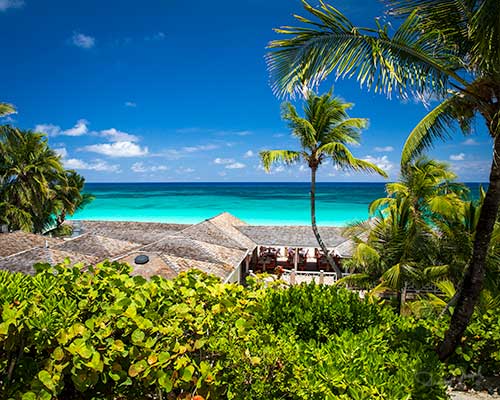
Ocean water temperatures range from 74°F (23°C) in January and February to 84°F (29°C) from August through October. Swimming, snorkeling, and diving are comfortable year-round. The Pink Sand Beach faces the Atlantic Ocean (east side): cooler, breezier, with gentle surf. The harbour side faces west: calmer, shallower, and warmer — excellent for kayaking and paddleboarding.
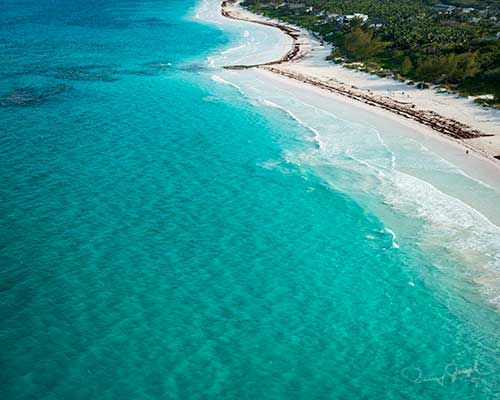
Does Harbour Island get hurricanes?
Harbour Island lies within the Atlantic hurricane belt; hurricane season runs June 1 through November 30, with peak risk mid-August through October. Direct hits on the island are infrequent — it has not sustained a major direct strike in recent decades — but passing storms can bring high surf, heavy rain, and disrupted ferry and air service even when the center remains offshore. Always check NOAA NHC advisories and confirm your hotel or rental's hurricane cancellation policy before booking travel for the peak risk period.
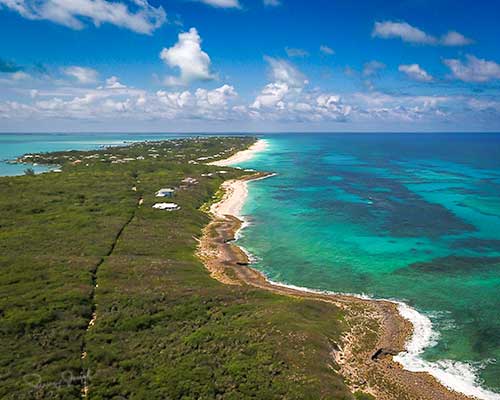
How hot does it get on Harbour Island in summer?
Summer highs on Harbour Island reach 89–90°F (32°C) in July and August, with overnight lows in the upper 70s. The heat index can push higher on calm days. However, the steady northeast trade winds off the Atlantic make conditions far more manageable than the numbers suggest — especially on the beach side of the island. Many visitors find summer entirely acceptable, and the quieter pace and lower rates are real advantages for those who travel flexibly.
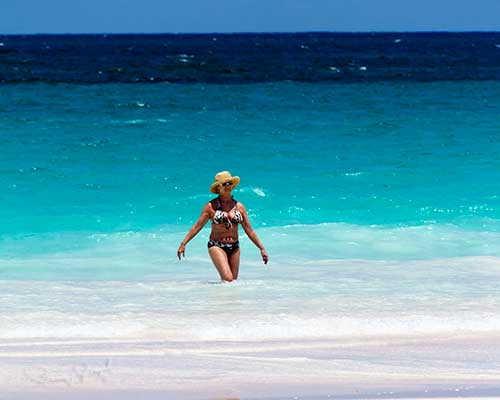
What should I pack for Harbour Island?
Lightweight, breathable clothing suits every season. Beyond the basics:
- Winter (Dec–Feb): a light jacket or layer for evenings — overnight lows can dip to 65°F, and restaurant patios can feel cool after dark.
- Spring/Fall (Mar–May, Nov): a light rain layer is useful on occasion but rarely essential.
- Summer (Jun–Oct): a compact rain poncho or jacket for afternoon showers; plan outdoor activities for mornings.
- Year-round: reef-safe sunscreen is legally required in the Bahamas. The island's golf cart-only transport means casual footwear is entirely appropriate everywhere. No car hire, no parking — just carts, walking, and water taxis.
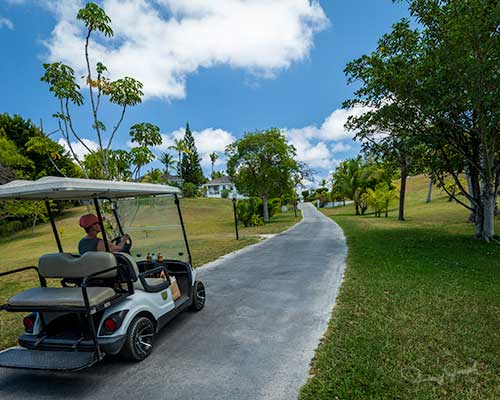
What is the weather like on Harbour Island in March?
March is statistically the driest month on Harbour Island, averaging only about 2.2 inches of rain across roughly 3 rain days. Daytime highs average 80°F (27°C) and overnight lows sit around 66°F (19°C). Ocean water is around 75°F and rising. It remains peak season through mid-March — book accommodation early. Many experienced visitors rank March as the single best month on the island.
What is the weather like on Harbour Island in November?
November is one of the most consistently pleasant months on Harbour Island, and one of the most underrated. Rainfall drops sharply after the October peak; daytime highs average around 83°F (28°C); the island is notably less crowded than winter peak season; and rates at hotels and rentals are lower than December. Ocean water stays warm at around 79°F. Hurricane season officially ends November 30, though significant tropical activity becomes rare after mid-October. Thanksgiving week on Briland has become a tradition for many repeat visitors.
Is Harbour Island good for snorkeling and diving year-round?
Yes. Water temperatures remain above 74°F even in the coldest months, and Bahamian water clarity is consistently exceptional year-round. The Current Cut — the fast-moving channel between the northern tip of Harbour Island and North Eleuthera — is considered one of the finest drift dives in the Bahamas, renowned for its shark and ray activity. The harbour side offers calmer, shallower snorkeling around coral heads and seagrass beds. For dive operators on the island, ask at your hotel or the Valentine's Marina.
How does Harbour Island weather compare to Nassau or New Providence?
Harbour Island and Nassau share broadly similar climates — subtropical, warm year-round, with peak rainfall in late summer. Harbour Island sits roughly 70 miles northeast of Nassau. Because Harbour Island is small and entirely exposed to the Atlantic on its east side, it tends to feel breezier, which many visitors prefer in the summer months. Annual rainfall is comparable, though Nassau records slightly higher totals on average. Both destinations have the same hurricane risk window (June–November) and the same best-travel-window (December–April).
What are the sunniest months on Harbour Island?
March through August are the sunniest months, averaging around 9 hours of sunshine per day. January, February, November, and December average around 7 hours per day — still very sunny by Northern Hemisphere standards, but with more cloud cover and the occasional frontal system bringing overcast days and showers. Even in the cloudier months, full overcast days are the exception rather than the rule.